
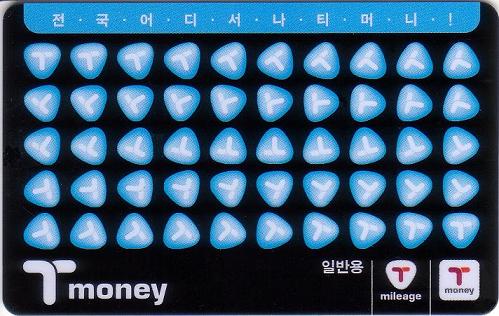
T-money is a rechargeable transport card that makes buses and subways much easier to use in Korea. Instead of buying a ticket for every ride, you load money onto the card and tap it at the reader. It is especially useful for first-time visitors who plan to use public transport in Seoul and other supported cities.
This guide explains where to buy a T-money card, how to add money, when to tap, how transfers work, and what to do with the remaining balance. It also includes practical habits that Korean commuters use every day.
T-money in one minute
- Buy a card at a participating convenience store or transport service point.
- Add Korean won before your first ride.
- Tap once when entering the subway or boarding a bus.
- Tap again when leaving the subway or getting off a bus.
- Keep enough balance for the next ride and reload when needed.
Local Korean tip: Keep the card in an easy-to-reach outer pocket. Commuters usually have it ready before reaching the gate, which prevents a queue from forming behind them.
Where can you buy a T-money card?
T-money cards are commonly sold at convenience stores displaying the T-money mark and at transport service locations. Availability and card designs vary. Ask the cashier, “T-money card, please,” or show the name on your phone. The card price and the money you load are separate.
At an airport convenience store, confirm that you are buying a reloadable T-money card rather than a different tourist pass. If the store has several character or key-ring designs, choose by price and practicality; the transport function is the important part.
Local Korean tip: One card per traveler is the simplest choice. It makes subway gates straightforward and keeps each person’s transfer record separate.
How to reload the card
You can add value at many convenience stores and at subway-station reload machines. Station machines usually offer several languages. Choose the transport-card reload option, place or hold the card where shown, select an amount, pay using an accepted method, and wait for the completion message before removing the card.
Cash is still the safest backup for a visitor because payment support varies by machine and location. Some newer machines or services accept cards, including certain international cards, but do not assume every reload point will accept yours. Check the payment symbols on the machine before starting.
Local Korean tip: Do not load your entire trip budget on day one. Start with a moderate amount, check your balance as you travel, and top up again. This reduces the refund work at the end of the trip.
How to use T-money on the subway
- Find the gate for your direction of travel.
- Place the card flat against the reader.
- Wait for the confirmation sound and screen response.
- Walk through only after the gate accepts the card.
- Tap the same card again at your destination exit.
If the gate does not open, do not repeatedly force the card against the reader. Step aside so others can pass, check the displayed message, and ask station staff for help. A low balance, an incomplete previous trip, or two cards being detected together can cause an error.
Local Korean tip: Remove the T-money card from a wallet containing other contactless cards. Readers can detect the wrong card or return an error when several cards are stacked together.
How to use T-money on a bus
Tap the card when boarding, then tap it again at the reader near the exit before getting off. The second tap matters because it closes the trip record and helps the system calculate transfer discounts and distance-based fares correctly.
- Board through the front door unless signs direct you differently.
- Tap and check for the confirmation sound.
- Press the stop button before your stop.
- Move toward the exit when it is safe.
- Tap at the rear-door reader and get off.
Local Korean tip: Tap before the bus reaches your stop, but keep a secure grip while the vehicle is moving. Buses can brake quickly. If you forget to tap off, your next fare or transfer calculation may be affected.
Transfers: use the same card every time
Korea’s integrated fare system can apply a transfer discount when you change between eligible buses and subways. Always use the same card throughout the journey, and always tap when leaving. The exact rules, time limits, service areas, and additional distance charges can change, so check current local transport guidance for unusual or long routes.
Do not switch cards halfway through a journey. The system cannot connect the trips if you tap in with one card and continue with another.
Can you use T-money outside Seoul?
T-money is accepted across many transport systems and participating merchants in Korea, but coverage is not identical everywhere. Check the local bus, subway, or operator information for your destination, especially on regional routes. A card working in Seoul does not guarantee that every remote bus or private service accepts it.
T-money can also be accepted for small purchases at participating stores and in some taxis. Look for the acceptance mark and keep another payment method available.
T-money or Climate Card?
They are not the same product. Standard T-money is stored value: each eligible trip deducts a fare from your balance. Seoul’s Climate Card is a separate pass product with defined time periods and a specific service area. The better choice depends on your itinerary, number of rides, and whether your routes stay inside the pass coverage.
Local Korean tip: Choose for your actual routes, not the word “unlimited.” Airport services and trips beyond Seoul can fall outside a pass area. Standard T-money is often simpler when your schedule includes several cities.
Checking the balance and fixing common problems
- Low balance: reload at a convenience store or station machine.
- Card does not read: take it out of the wallet and tap it flat by itself.
- Gate error: show the card to station staff instead of trying another gate repeatedly.
- Missed bus tap-off: keep extra balance available and ask transport staff if the next trip produces an error.
- Lost card: an ordinary unregistered card should be treated like cash; recovery may not be possible.
How refunds work
Refund locations and maximum refundable balances differ by store and service center, and a handling fee may apply. The purchase price of the physical card is normally separate from the stored balance. For a short visit, the easiest strategy is usually to use most of the balance before departure and keep only enough for the final journey.
Check the current refund limits before visiting a convenience store. Larger balances may require a subway information center or T-money service location, and travelers without a Korean bank account can face additional steps.
A simple arrival-day plan
- Carry some Korean won in case your first reload point does not accept your card.
- Buy one reloadable T-money card per traveler.
- Load a moderate starting balance.
- Keep the card separate from other contactless cards.
- Tap on and off for every bus journey.
- Check your balance before a late-night or long-distance ride.
If you are still choosing your airport route, compare the complete journey in our Incheon Airport to Seoul transport guide. For the rest of your preparations, use the first trip to South Korea checklist.
Before your first ride, use our NAVER Map guide for foreigners to compare bus and subway routes, confirm your destination, and check the right station exit.
Official information to check
- VISITKOREA transportation-card guide
- Seoul Metropolitan Government public-transport guide
- Official Seoul Climate Card guide
Sources checked: 14 September 2026. Purchase locations, payment methods, fares, transfer rules, refund limits, and service coverage can change. Confirm important details with the transport operator or official guide before travel.

Local field notes: tap, balance and backup
Keep the card separate from credit cards and hotel key cards when tapping. A wallet containing several contactless cards can produce a failed or ambiguous read. On buses, tap once when boarding and again when leaving; on the subway, tap at the entry and exit gates.
| Situation | What to check | Practical fallback |
|---|---|---|
| Gate does not open | Use the same card and remove it from the wallet | Show the card to station staff |
| Insufficient balance | Check the display after each tap | Reload at a machine or staffed convenience store |
| Bus transfer | Tap off before leaving | Ask the driver or use the next station help desk if the fare looks wrong |
Local Korean tip: Reload before a long travel day, but do not leave a large unused balance for the final airport trip. Keep a small cash backup because card top-up availability and machine payment options can differ.
Plan your next step: A transit card is only one part of your arrival plan. Compare T-money, WOWPASS and Climate Card, prepare a backup payment method, and check how Seoul buses work before your first transfer.