Gyeongsangbuk-do · 경주
Gyeongju
Silla history in a landscape you can walk
Photo supplied by Korea Pathbook.
Ancient Silla heritage gives Gyeongju its distinctive rhythm. Royal tomb mounds and Cheomseongdae sit within a walkable central sightseeing area, while major temples farther out deserve their own transport plan.
Don’t miss
Royal tomb landscape
Explore the central heritage area at walking pace.
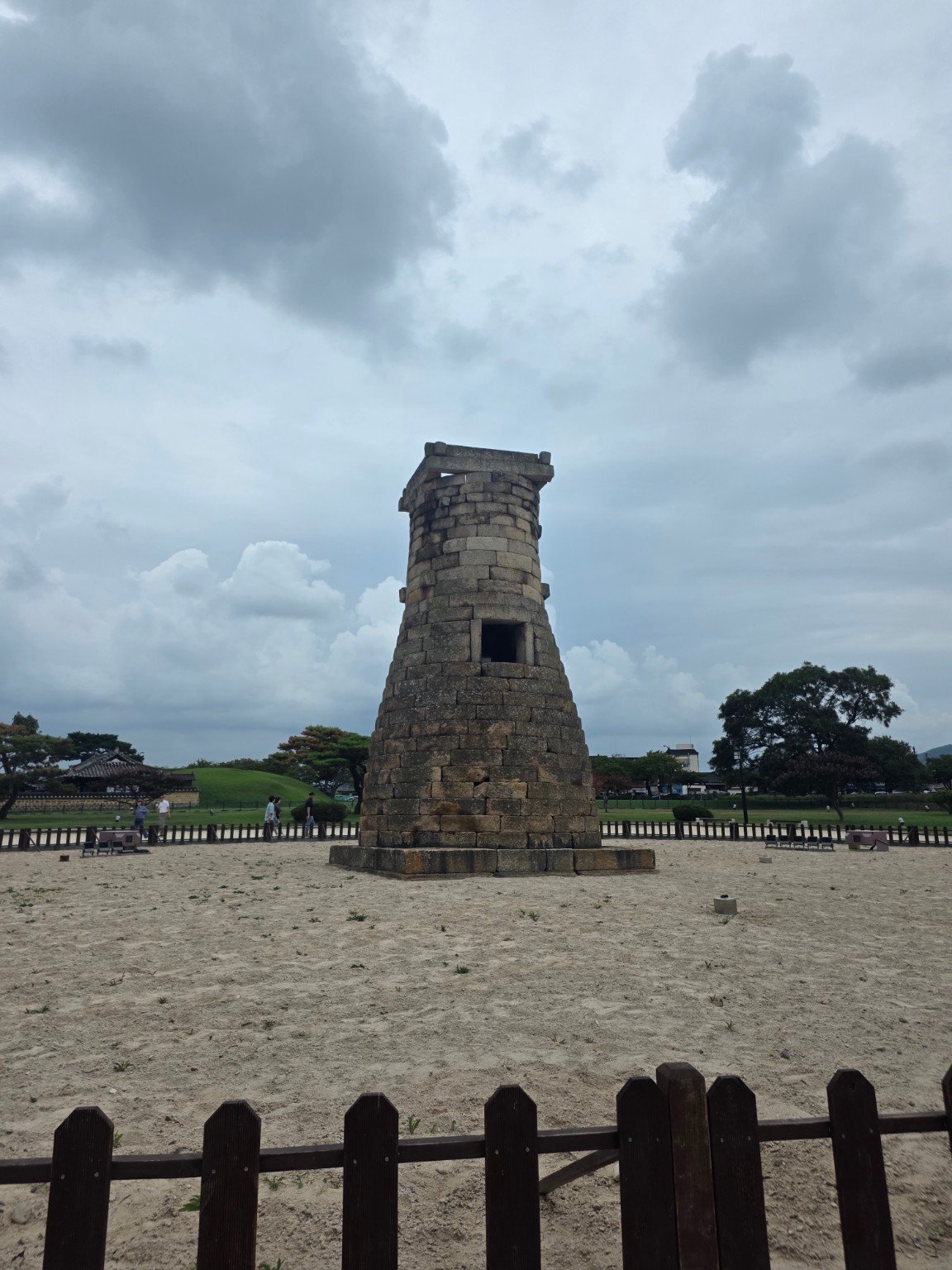
Cheomseongdae
Combine this landmark with nearby sights rather than a separate cross-city trip.
Temples beyond the center
Give farther-out heritage sites their own transport plan.
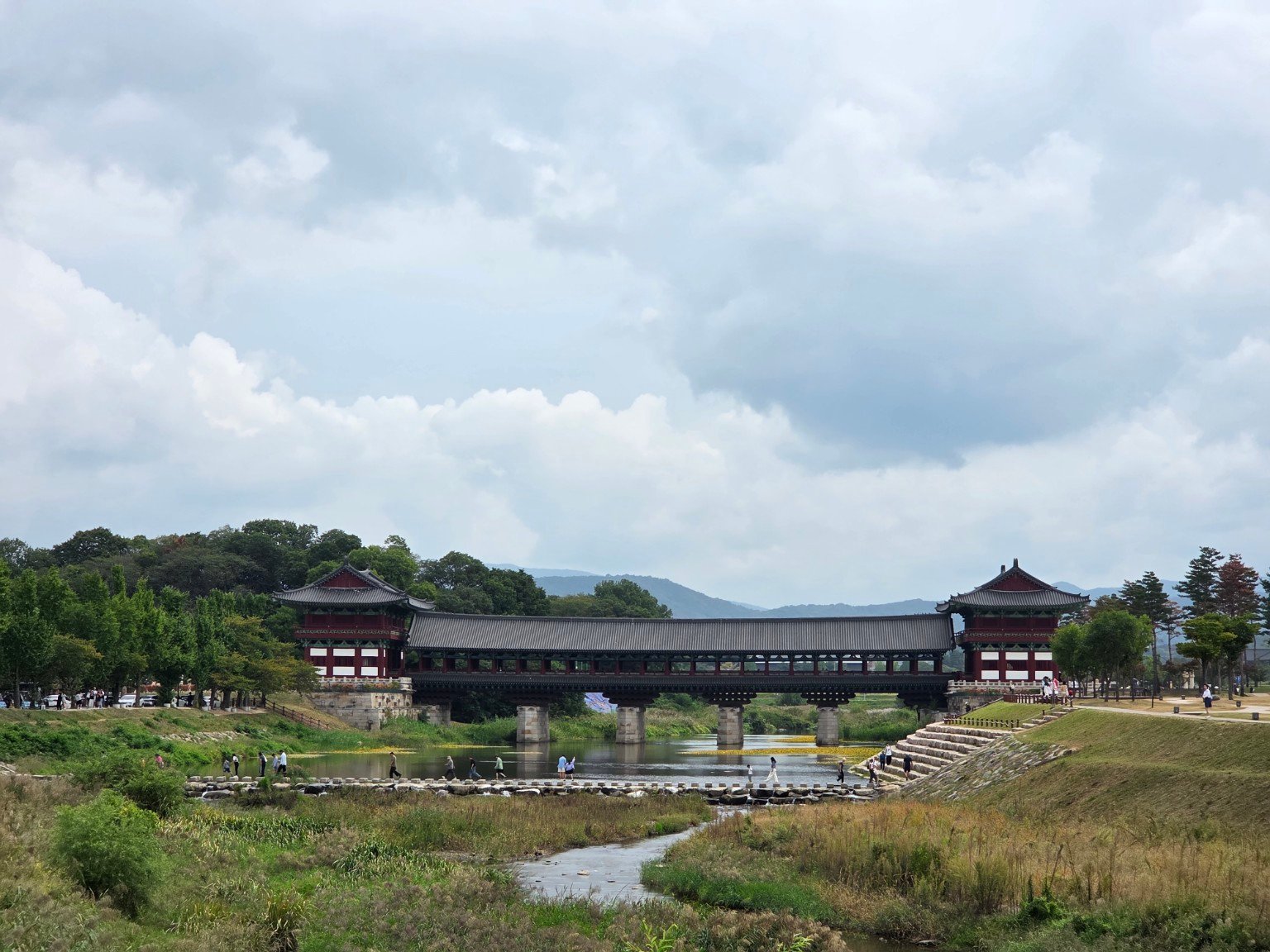
Gyeongju in photographs
Woljeonggyo and Cheomseongdae photos were supplied by Korea Pathbook. The Bulguksa photo is credited below.


Plan your visit
| Suggested stay | 2 days for a balanced introduction |
|---|---|
| Getting around | Rail or intercity bus, followed by local transport to the sightseeing area. |
| Good for | Silla history · Tombs · Temples |
| Before you go | Check live routes, attraction opening days and the weather. Stay lengths are our planning suggestions, not fixed itineraries. |
For transport setup and arrival preparation, use our first-visit guide.
Gyeongju has a central walking day and a separate temple day
Gyeongju’s royal tombs, Cheomseongdae and the old-city streets can form a coherent walk. Bulguksa and Seokguram are important Silla heritage sites, but they are not stops to tack onto that same walk. The most common planning error is saving all of them as pins without checking the distance between the city center and the temple area.
Swipe sideways to read all three columns →
| Focus | Stops that fit | Planning decision |
|---|---|---|
| Central heritage walk | Daereungwon tomb complex, Hwangnidan-gil, Cheomseongdae, Gyerim Forest and Donggung Palace with Wolji Pond. | Choose the sites you want to enter, not just photograph. Save Donggung and Wolji for after dark only if its current hours suit your day. |
| Southern temple area | Bulguksa Temple and, with more time, Seokguram Grotto. | Plan the bus or taxi legs separately. Check trail, access and admission details before leaving the city center. |
| Gentler alternative | Woljeonggyo Bridge and a slower second pass through the central area. | Use this option if weather, mobility or a late arrival makes an outlying temple day impractical. |
Arriving, staying and pacing
The high-speed rail stop called Gyeongju Station is not at Daereungwon or Hwangnidan-gil. Check the complete onward bus or taxi route to your lodging, and save its Korean name before boarding. Intercity and express buses use their own terminals, so do not plan the same arrival transfer for every ticket.
Staying around Hwangnidan-gil suits a central walking itinerary and evening food options. Bomun is a different resort-oriented base; check how you will reach the historic center. In summer, exposed historic grounds can make a long midday walk tiring. Spring and autumn are popular for outdoor routes, but reservations and crowds can change the feel of a short weekend. If rain or cold interrupts the plan, keep one indoor heritage stop or a meal break rather than racing to the next photo location.
The gallery shows two owner-supplied central-city photographs and one credited Bulguksa photograph. The temple is a separate outing from the tomb district; do not use its image as a clue that it is within the central walking circuit.
Last reviewed: October 2, 2026. The route grouping is editorial guidance, not a personally timed tour. Confirm opening hours, transit and current access before travel.
Official references: Gyeongju City tourism · VISITKOREA: Gyeongju heritage route.
Related guides: Gyeongju two-day itinerary · Book KTX tickets · Check the final local connection.
More in Gyeongsangbuk-do
Keep exploring Korea
Back to the region map and all 20 city guides →
Last checked: October 2, 2026. Destination reference: Official tourism information. Practical route and pacing tips are Korea Pathbook editorial suggestions. Confirm current access, timetables and fees with the attraction or transport operator.
Weather and average temperature in Gyeongju
KMA 1991–2020 climate normals publication. Individual station coverage may be shorter. Annual values describe a long-term climate, not a forecast or monthly temperatures.
Nearby-station reference only — not Gyeongju measurements.
| Measure | Climate normal |
|---|---|
| Reference station | Yeongcheon — nearby inland regional reference, not Gyeongju measurements |
| Annual mean temperature | 12.8 °C / 55.0 °F |
| Annual precipitation | 1,085.9 mm |
Source: Korea Meteorological Administration: regional climate normals. Checked September 15, 2026.
What this means for your visit
The selected KMA regional table does not list Gyeongju. This nearby inland reference does not describe all of Gyeongju, particularly its coast. Use the local forecast for your exact sightseeing area.
Annual averages do not tell you the temperature on a particular day. Consult the KMA forecast and warnings for your destination before travel.