The Seoul subway becomes much easier when you separate the journey into four decisions: the station entrance, the correct platform, any transfer, and the destination exit. A line number alone is not enough. Check the direction and stopping pattern before boarding, then keep the final walk to your destination in mind.
Local perspective: I have lived in Seoul for 30 years, and the destination exit is the detail I would plan before a first subway ride. A large station can have several street-level exits, so arriving at the right station does not always put you close to the door you need. This is practical route advice, not a claim that I timed or tested every trip in this guide. For current fares and last trains, check the operator or your route app for the exact date.
My experience of Seoul transport: I generally find the subway convenient and well signposted. Once I have the direction, transfer and final exit right, most journeys feel manageable. That is my own experience, not a promise that every station or route is equally easy; check accessibility and the last train for the journey you plan.
Before entering the station
- Search your exact destination in NAVER Map.
- Compare walking distance and transfers, not just train time.
- Note the line, direction, transfer station, and destination exit.
- Have a valid transport card or suitable ticket ready.
- Check elevator access if you are carrying luggage or need step-free travel.
Choose a ticket or transport card
Seoul’s official visitor guidance explains that subway travel requires a transportation card or single-use ticket. A reloadable card can simplify repeated journeys; a single-use ticket can suit an occasional ride. Follow the machine’s instructions for your chosen ticket and check any deposit or refund procedure shown.
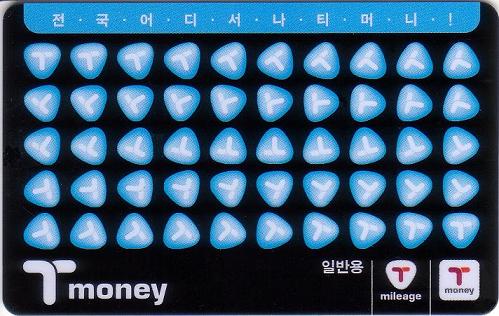
For a T-money card, check the balance before approaching the gate and use the same card to enter and leave. Keep it separate from other contactless cards while tapping. Our T-money guide covers purchasing, reloading, and common reader errors.
Find the correct direction before the gate
Follow the line number and signs toward the platform. TOPIS, Seoul’s transport information service, explains the use of line colors and station information to navigate the system. Color helps, but also match the written station names. Check the next station shown in your route against the platform signs.
Some services branch or run with different stopping patterns. Confirm the train’s destination and whether it stops where you need it. A train on the correct line can still be the wrong service for your journey. When uncertain, show your destination to station staff before boarding.
Local Korean tip: Save the name of the next station after your starting point. Matching that name on the direction sign is a useful double-check when two platforms look similar.
Tap through and board calmly
- Hold the transport card flat against the reader.
- Wait for the gate to accept it before walking through.
- Stand clear of the platform edge and follow marked waiting areas.
- Let arriving passengers leave before boarding.
- Move clear of the doorway when possible and hold a rail while traveling.
If the gate rejects your card, step aside and read the message. Ask staff for help instead of following another passenger through. Do not assume that immediately exiting and re-entering is free; rules and eligible stations can vary.
Transferring between lines
At the transfer station, follow signs for the next line rather than signs for the street exit. Check your next direction again when you reach the new platform. Transfer walks can be longer than the map diagram suggests, particularly with bags or when changing between different operators.
Local Korean tip: Allow a little extra time for the first transfer of your trip. A route with one fewer change may feel easier even when the app shows a slightly longer arrival time.
Find the right exit at your destination
Exit numbers identify different street access points. Before going upstairs, open the final walking directions and check the recommended exit. If you need an elevator, verify its location separately; the closest numbered exit may involve stairs.
After leaving the station, pause somewhere safe and check your position before walking. Large intersections and buildings with multiple entrances can make the final few hundred meters more confusing than the train ride.
Late-night journeys and mistakes
Check the last usable service for the whole route, including transfers. A station can still have trains running while the connection you need has finished. Keep your accommodation address and a backup way home available.
If you miss your stop or board the wrong train, stay calm and check the next safe opportunity to change direction. Ask staff before crossing gates. Never enter restricted areas or try to cross tracks.
Frequently asked questions
Can I navigate in English? English station information is available, but save the Korean destination name as a useful backup.
Is the shortest route always best? No. Compare transfers, stairs, luggage, and the walk at both ends.
Can I use the subway for a KTX trip? The subway may take you to the railway station, but the KTX journey needs its own ticket.
Related guides
T-money guide · NAVER Map guide · Airport transport
Official sources
A station-by-station routine that prevents mistakes
In Seoul, the difficult part is often not the train but the station. At large interchanges such as Seoul Station, Jongno 3-ga, Gangnam, and Express Bus Terminal, allow extra walking time and confirm the line color, line number, and direction before passing through a corridor.
- Before entering, check the destination station and the terminal station shown for your direction.
- At a transfer, follow the numbered line signs rather than the nearest crowd.
- Before exiting, open the final walking route and note the exit number.
- With luggage, compare elevators with the shortest exit; they are not always the same route.
Common failure: entering the correct line on the wrong side. If the platform is separated, do not force a shortcut. Ask staff, follow the transfer signs back, and verify the next station name before boarding.
Last checked: September 14, 2026. Services and conditions can change. Confirm time-sensitive details with the linked provider before travel.